What Florida Is Fighting For: The Coast, and the Line That Protects It
Key moments
"God made such a beautiful coastline here in Florida. Both coasts are beautiful, and I think it's our duty to protect that.", Laura Jolly
"We have seen what an oil spill does. We've seen what it does to the environment, to our economy, to our way of life. And it's simply not necessary.", David Jolly
"For most people, you lead with your heart because it's the right thing to do. But if you want to lead with your head because it makes good economic sense, there's a reason to do that as well.", David Jolly
What this video is about
For years, Florida agreed on one thing: protect the coast. This video is about what happens now that the line is being pushed, with more drilling, closer to shore, and what that risk actually costs a state built on clean water and open beaches.
What's said
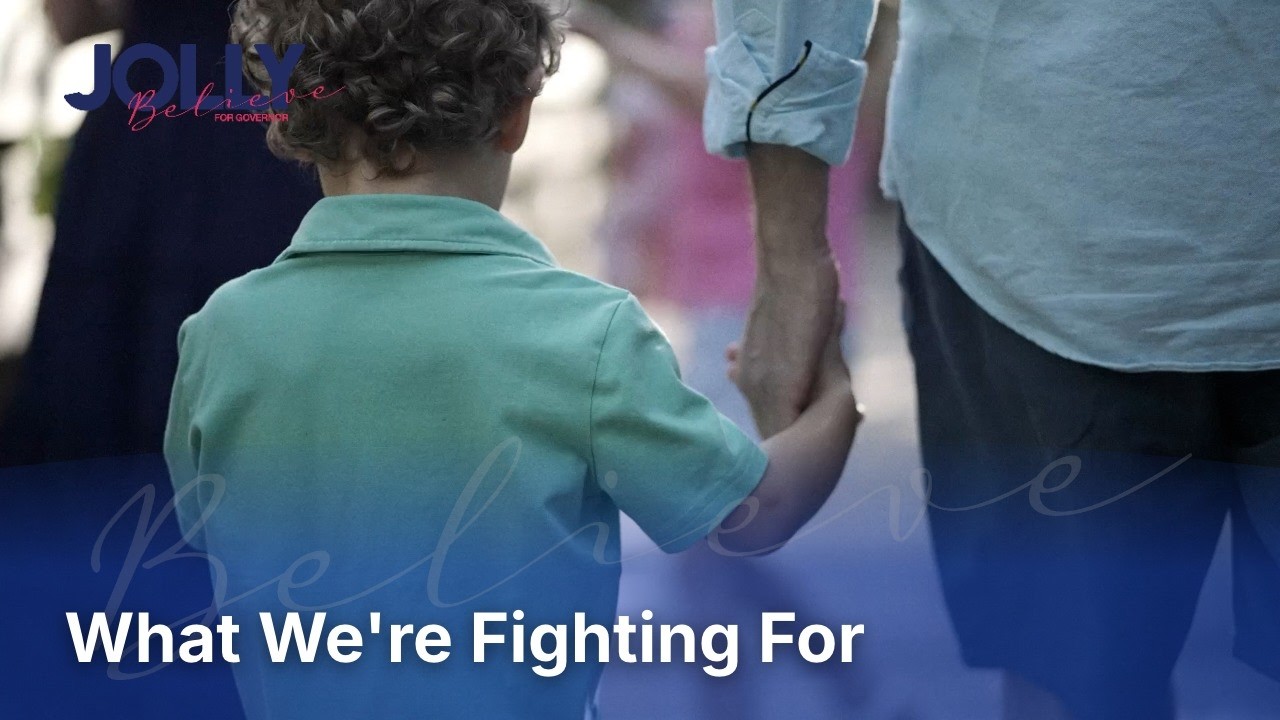
Laura Jolly speaks to the coast as a place families are raising kids, and David Jolly makes the case that expanding drilling in the Gulf is a risk Florida does not need to take. Watch the chapter at 1:40 for the heart and head framing that ties the moral case to the economic one.
Transcript
Verified transcript of the video above.
Related questions
Why oppose offshore drilling if it could create Florida jobs?
Offshore drilling in the Gulf creates very few Florida jobs because the rigs are based out of Louisiana and Texas ports, not Florida. What Florida loses in a Deepwater Horizon-scale spill runs to tens of billions of dollars. The 2010 spill of roughly 4 million barrels damaged Florida's Panhandle for years[1]. Florida's tourism economy and ocean economy both depend on clean beaches and healthy water. The risk-reward math does not favor opening Florida waters to drilling. See the video at 1:12 for David Jolly's full take.
What is Amendment 9 and what does it do?
Amendment 9, approved by Florida voters in 2018 with 69% support, banned offshore oil and gas drilling in Florida state waters, within 3 nautical miles of the Atlantic coast and 9 nautical miles of the Gulf coast. It is locked into the Florida Constitution and cannot be removed without another statewide referendum at 60% support[2]. It provides one layer of protection; the federal moratorium on the Eastern Gulf provides the second.
Is the federal ban on Eastern Gulf drilling permanent?
No. The federal moratorium on offshore drilling in the Eastern Gulf of Mexico is in place through June 30, 2032, extended by executive action in September 2020. But executive moratoriums are not binding on future presidents. Only a Congressional moratorium offers full legal protection[3]. That is why the line David Jolly describes in the video as under encroachment matters.
Why does Florida's coast matter so much economically?
Florida's tourism economy is the largest sector of the state economy, with visitor spending reaching roughly $134.9 billion in 2024 and tourism supporting about 1.8 million Florida jobs[4]. Beach erosion, red tide, and water-quality crises all directly suppress visitor spending. Protecting the coast is the economic foundation of the tourism economy, not a tradeoff against it. That is the "lead with your head" case David Jolly makes at 1:40.
Sources
- NOAA, Deepwater Horizon Oil Spill, https://www.noaa.gov/deepwater-horizon-oil-spill · 2010-04-20
- Ballotpedia, Florida Amendment 9 (2018) , https://ballotpedia.org/Florida_Amendment_9,_Ban_Offshore_Oil_and_Gas_Drilling_and_Ban_Vaping_in_Enclosed_Indoor_Workplaces_Amendment_(2018) · 2018-11-06
- Bureau of Ocean Energy Management , https://www.boem.gov/oil-gas-energy · 2020-09-08
- Visit Florida Research , https://www.visitflorida.org/resources/research/ · 2024-01-01
Once it's gone, you don't get it back.
Have a question for David? Visit the Town Hall and ask.